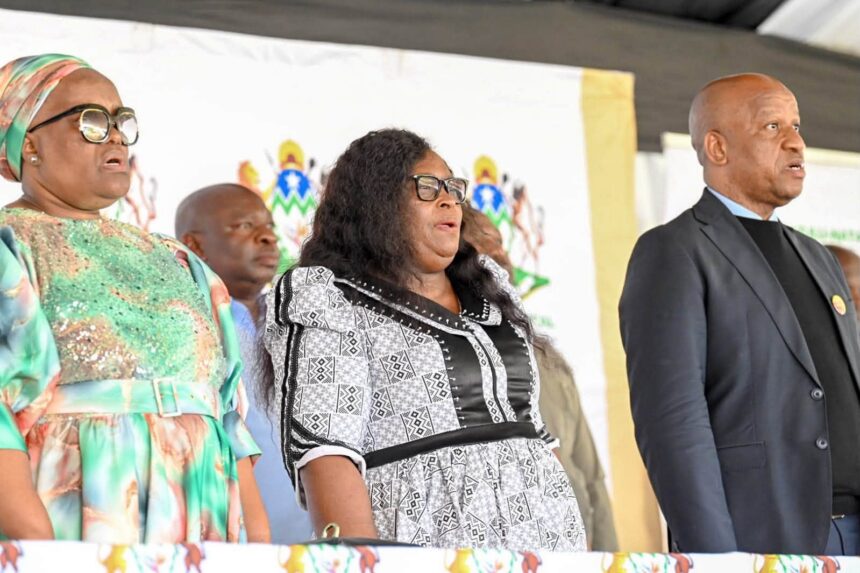
KwaZulu-Natal MEC for Agriculture and Rural Development, Mrs Thembeni kaMadlopha-Mthethwa, has paid a special tribute to the province’s senior citizens, recognising their longstanding contribution to agriculture and rural livelihoods. Speaking on the sidelines of the Senior Citizens Parliament at the Inkosi Msinga Mlaba Sport Complex in KwaXimba, west of Durban, the MEC described older generations as custodians of the soil. She highlighted the important role that grandmothers and grandfathers have played in keeping agricultural practices alive, particularly in rural communities. Her remarks placed traditional agricultural knowledge and the experience of senior citizens at the centre of discussions about food production and rural development. The message also encouraged younger generations to recognise the value of knowledge built through years of working with the land.
KaMadlopha-Mthethwa said senior citizens had remained connected to agriculture even when many younger people left rural areas for cities in search of employment and other opportunities. She explained that older generations continued working the land when they had limited access to modern agricultural machinery and inputs. In her remarks, she recalled how farmers used their hands when tractors were unavailable and relied on locally available resources when commercial fertiliser was not accessible. She specifically referred to the use of kraal manure as an example of traditional knowledge that helped farmers maintain agricultural production. These experiences demonstrate the practical knowledge that many rural senior citizens have developed through years of working with soil, crops and livestock.
The MEC emphasised that the contribution of senior citizens extends beyond physical farming activities. Their knowledge includes an understanding of the land and locally appropriate agricultural practices that has been developed over generations. She stressed the importance of recognising soil as more than simply material beneath people’s feet, describing it as a source of life, dignity and wealth. This perspective reflects the central role that productive land plays in rural communities where agriculture supports household food production and livelihoods. Preserving and sharing this understanding can help ensure that valuable agricultural knowledge remains part of rural communities.
Her tribute came during the Senior Citizens Parliament at the Inkosi Msinga Mlaba Sport Complex in KwaXimba. The event provided an opportunity to recognise the contribution of older people while also addressing issues affecting communities across the province. Agriculture formed an important part of the MEC’s message because many senior citizens continue to have direct knowledge of farming and rural food production. Their experiences provide insight into how communities managed agricultural activities under conditions where modern farming resources were often limited. The recognition of this experience also highlights the importance of including senior citizens in conversations about the future of agriculture and rural development.
The MEC’s comments highlighted the role of traditional farming knowledge in rural agriculture. Farmers who have worked the land for many years often understand local conditions, seasonal patterns and available resources through direct experience. Knowledge about the use of kraal manure is one example of how farmers have used locally available materials in agricultural production. Such knowledge forms part of the broader agricultural heritage of rural communities. Sharing this experience with younger farmers can help maintain continuity between generations while allowing traditional knowledge to exist alongside modern agricultural practices.
KwaZulu-Natal Premier also recognised the contribution of senior citizens to agriculture in rural areas, describing them as the backbone of agricultural activity in many rural communities. The Premier linked this recognition to the province’s ongoing efforts to address challenges affecting farmers and livestock owners. The remarks referred to a previous visit to KwaXimba where discussions focused on finding solutions to the impact of Foot and Mouth Disease. During that engagement, a resolution was reached that the Department of Agriculture must ensure the hiring of dip tank officers, known as Omadibhana. The reference to these measures showed how agricultural development also depends on practical support for livestock farmers and rural communities.
Foot and Mouth Disease remains an important concern for livestock farmers because outbreaks can affect animal movement, farming operations and agricultural livelihoods. The Premier’s reference to the hiring of dip tank officers highlighted the importance of having agricultural personnel available to support livestock health and related activities. Dip tanks form part of livestock management systems in many rural communities, making the availability of trained officers relevant to farmers who depend on livestock production. The KwaXimba engagement therefore connected broader rural development concerns with practical agricultural services. It also demonstrated the importance of continued engagement between government and farming communities when addressing agricultural challenges.
The Premier further encouraged senior citizens and other community members to make use of the agricultural support available through government structures. She noted that Department of Agriculture offices are spread across the province and encouraged people to come forward so that they can receive assistance. Access to agricultural support can be important for rural residents who require information, services or guidance relating to farming activities. Encouraging communities to engage with agricultural offices can help strengthen communication between farmers and government departments. It also creates an opportunity for communities to raise their concerns and seek assistance with agricultural matters affecting their livelihoods.
The Premier also called on senior citizens to pass their agricultural knowledge on to younger generations. This message is important because traditional farming knowledge can be lost when it is not deliberately shared with younger people. Senior citizens who have spent many years working with the soil can provide practical lessons about farming practices, resource use and the relationship between communities and agricultural land. Passing this knowledge from one generation to another can help strengthen agricultural skills within rural communities. It can also encourage younger people to view farming as an important part of rural development and food production.
The emphasis on soil during the MEC’s remarks carries particular significance for agriculture. Soil provides the foundation for many forms of crop production and supports the growth of food that communities depend on. Farmers need to understand the condition and needs of their soil to maintain productive agricultural land over time. Senior farmers can contribute practical knowledge about how land has been managed and cultivated across different periods. Combining this experience with contemporary agricultural knowledge can provide communities with a broader foundation for sustainable farming.
The recognition of senior citizens also highlights the relationship between agriculture and rural livelihoods in KwaZulu-Natal. Many rural households have longstanding connections to crop production, livestock farming and the use of agricultural land. Older generations have played a role in maintaining these activities during periods when rural communities experienced significant social and economic changes. Their continued connection to agriculture has helped preserve knowledge and practices that remain relevant to rural food production. Recognising their contribution gives greater visibility to the role they continue to play within agricultural communities.
The call for intergenerational knowledge transfer is particularly relevant as rural communities consider the future of farming. Younger people can benefit from the practical experience of older farmers while also bringing new ideas, technologies and approaches to agricultural production. Creating opportunities for these forms of knowledge to interact can strengthen the skills available within farming communities. Senior citizens can share lessons gained through years of working with the land, while younger farmers can build on that knowledge through additional training and modern agricultural practices. This exchange can support the continued development of agriculture in rural areas.
The remarks by KwaZulu-Natal’s agricultural leadership also show that rural development involves more than crop and livestock production. It includes access to agricultural services, support for livestock health, knowledge sharing and the preservation of farming skills. The reference to Foot and Mouth Disease and dip tank officers demonstrates the importance of responsive agricultural services. The recognition of senior citizens demonstrates the importance of human knowledge and experience. Together, these issues form part of the wider effort to strengthen agricultural communities across KwaZulu-Natal.
The tribute paid by MEC Thembeni kaMadlopha-Mthethwa to the province’s senior citizens places their agricultural contribution firmly within the broader conversation about rural development. Her description of older farmers as custodians of the soil recognises generations of practical experience in agriculture and food production. Her remarks about using hands instead of tractors and kraal manure when fertiliser was unavailable illustrate how rural farmers adapted to limited resources. The Premier’s call for senior citizens to pass on their knowledge reinforces the importance of intergenerational learning. As KwaZulu-Natal continues to address agricultural challenges and support rural communities, the experience of its senior citizens remains an important part of the knowledge base that can help sustain farming and strengthen connections between people, land and food production.
Join 'Farmers Mag' WhatsApp Channel
Get the latest Farming news and tips delivered straight to your WhatsApp
CLICK HERE TO JOIN