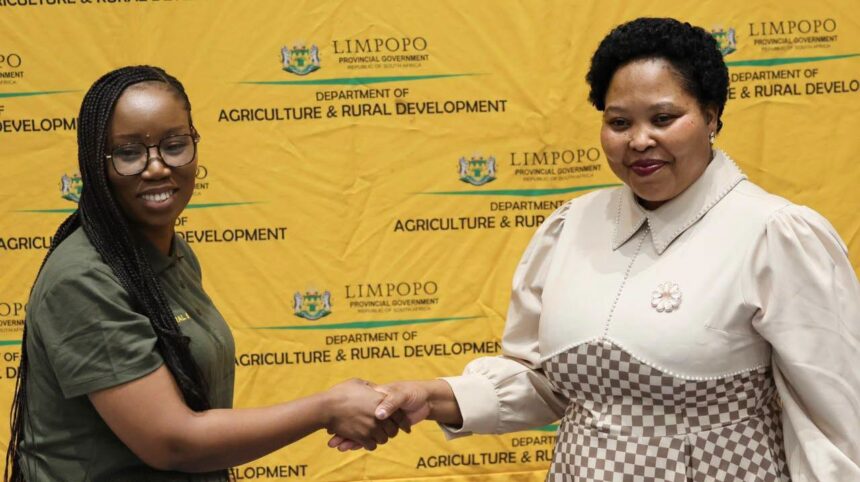
The future of agricultural extension is increasingly digital, with information and communication technologies creating new ways to deliver timely, relevant and accessible information to farmers and rural communities. This shift was highlighted by LDARD Head of Department Ms Mashamba Mpho during the 2026 SASAE Central Branch Annual Symposium. The symposium was held in collaboration with the Limpopo Department of Agriculture and Rural Development and the University of Limpopo. Held under the theme, “Information and Communication Technologies in Rural Development for Impactful Extension and Advisory Services,” the event is examining how technology can strengthen agricultural extension and rural development. The growing use of digital tools presents opportunities to improve how farmers access information, make production decisions and respond to changing agricultural conditions.
Agricultural extension has traditionally focused on helping farmers improve their production practices through direct interaction with extension practitioners. This role remains important, but the needs of farmers are becoming broader and more complex. Farmers require information not only about production methods but also about markets, weather conditions, risk management, value addition and profitability. Digital technology can help extension services respond to these needs by making information available through multiple channels and enabling practitioners to work with more current data. The result can be an agricultural advisory system that supports farmers throughout more stages of the farming and business process.
Mashamba Mpho emphasised that agricultural extension services need to move beyond simply answering the question, “How do I produce?” Farmers also need support in understanding what to produce, when to produce it and what markets demand. These questions are closely connected to the commercial realities of agriculture because production decisions can affect the ability of farmers to sell their products profitably. Farmers who have better information about market requirements can make more informed decisions before investing resources in production. A broader advisory approach can therefore help farmers connect production planning with market opportunities and business objectives.
The question of what to produce is particularly important because agricultural markets can change over time. Farmers need information that can help them understand demand and consider whether particular crops or products have suitable market opportunities. Timing also matters because production schedules can affect availability, prices and the ability to meet buyer requirements. Digital platforms can provide channels through which relevant information can reach farmers more quickly than traditional communication methods alone. When combined with the knowledge of extension practitioners, this information can support better-informed agricultural planning.
Mobile technology is one of the most accessible tools that can support digital agricultural extension. Mobile phones can provide farmers with a practical way to receive agricultural information, communicate with extension personnel and access digital services. Depending on the platform and available services, farmers can receive information related to production, weather, markets and other agricultural matters. Mobile communication can also make it easier for extension practitioners to maintain contact with farmers between physical visits. This can help extend the reach of agricultural advisory services, particularly across rural areas where farmers may be located far from extension offices.
Digital platforms can also create opportunities for more continuous communication between farmers and agricultural professionals. Instead of relying only on scheduled meetings or physical visits, digital channels can allow information to be shared when it becomes relevant. Farmers can potentially use these platforms to ask questions, access educational material and receive updates. Extension practitioners can use digital tools to communicate with larger groups while still providing targeted support where necessary. The effectiveness of these systems will depend on factors such as connectivity, digital literacy and the relevance and quality of the information provided.
Weather data represents another important area where ICT can support agricultural extension. Farmers make decisions about planting, irrigation, harvesting and other activities based partly on weather and seasonal conditions. Access to timely weather information can help farmers understand changing conditions and consider appropriate responses. Extension practitioners can also use weather information when advising farmers about agricultural activities. Combining local farming knowledge with relevant weather data can provide a stronger basis for planning and managing production risks.
Satellite information and geographic information systems, commonly known as GIS, can provide additional information for agricultural decision-making. These technologies can help users understand agricultural conditions across different geographic areas. GIS can support the organisation and analysis of location-based information, while satellite data can provide information about land and environmental conditions. When used appropriately, these tools can help extension services identify patterns and provide more targeted advice. Their potential value lies in giving practitioners additional information that can complement observations made in the field.
Artificial intelligence is also becoming part of the broader conversation about digital agriculture and agricultural advisory services. AI can process large amounts of information and may support the analysis of agricultural data. Its potential applications in extension can include helping organise information, identify patterns and support decision-making processes. However, technology does not remove the need for agricultural expertise or direct engagement with farmers. AI-based tools need appropriate data, careful interpretation and responsible use to ensure that the information provided is relevant to the specific agricultural context.
The digital transformation of agricultural extension should not mean replacing extension practitioners with technology. Mashamba stressed that technology must complement rather than replace the extension practitioner. This distinction is important because agricultural decisions often depend on local conditions that cannot be fully understood through digital information alone. Extension practitioners bring practical knowledge, professional expertise and direct relationships with farming communities. Digital tools can strengthen these relationships by giving practitioners additional information and communication channels, rather than eliminating the human element of agricultural advisory services.
The role of the extension practitioner can also evolve as digital tools become more widely used. Instead of focusing mainly on transferring basic production information, practitioners can help farmers interpret information and apply it to their individual circumstances. They can help farmers understand market signals, assess risks and consider different production options. Practitioners can also support farmers who need assistance using digital platforms and agricultural technologies. This creates an opportunity for extension services to become more responsive while maintaining the human support that farmers need.
The 2026 SASAE Central Branch Annual Symposium provides a platform for examining these changes within the context of rural development. The theme, “Information and Communication Technologies in Rural Development for Impactful Extension and Advisory Services,” places technology within a wider discussion about improving agricultural support. ICT is not useful simply because it is new or advanced. Its value depends on whether it helps farmers access information that is accurate, relevant, understandable and available when they need it. The symposium therefore highlights the need to consider technology as part of a broader agricultural development system rather than as an isolated solution.
Digital agricultural extension also has implications for rural economic development. Farmers who receive better information can potentially make more informed decisions about production, marketing and investment. Better communication between farmers and support institutions can also strengthen coordination within the agricultural sector. As agricultural enterprises develop, access to information can become increasingly important for decisions involving markets, value addition and business expansion. Digital tools can contribute to these processes when they form part of coordinated and farmer-focused support services.
Limpopo’s focus on strengthening its agricultural economy and expanding agro-processing adds another dimension to the discussion. Agricultural production can create greater economic opportunities when farmers are connected to markets and value-adding activities. Extension services can help farmers understand the requirements associated with producing for different markets and participating in broader value chains. Digital information can support this work by improving access to relevant market and production information. Strong partnerships between government, educational institutions, agricultural organisations, technology providers and farming communities can further strengthen these efforts.
The digital future of agricultural extension will also require attention to access and inclusion. Farmers need suitable devices, connectivity and the skills required to use digital services effectively. Digital information must also be presented in ways that farmers can understand and apply to their circumstances. Technology that is difficult to access or poorly matched to local needs may not provide meaningful benefits. For digital agriculture to contribute effectively to rural development, innovation needs to be combined with practical support, appropriate communication and continued engagement with farming communities.
The message from the 2026 SASAE Central Branch Annual Symposium is that agricultural extension is entering a period in which digital tools can expand how farmers receive and use information. Mobile technologies, digital platforms, satellite information, weather data, GIS and artificial intelligence can provide extension practitioners with additional tools for delivering more proactive and data-driven advisory services. At the same time, the expertise and relationships of extension practitioners remain essential because technology cannot replace the need for human understanding and local agricultural knowledge. For Limpopo, where efforts are focused on strengthening the agricultural economy and expanding agro-processing, effective use of ICT can support stronger links between production, markets, risk management and value addition. The future of agricultural extension will depend on combining technological innovation with skilled practitioners, accessible information and strong partnerships that help farmers turn knowledge into sustainable agricultural opportunities.
Join 'Farmers Mag' WhatsApp Channel
Get the latest Farming news and tips delivered straight to your WhatsApp
CLICK HERE TO JOIN