The Department of Agriculture has confirmed a case of African Horse Sickness (AHS) in a single horse on a property in the Cederberg Local Municipality in the Western Cape. Laboratory tests conducted by the University of Pretoria’s Veterinary Genetics Laboratory confirmed the presence of African Horse Sickness virus serotype 7. The affected property lies within South Africa’s established African Horse Sickness Protection Zone, making the detection an important development for horse owners and the equine industry. Authorities have established an outbreak containment area and introduced movement controls to limit the risk of further spread. The Department is urging horse owners, breeders, trainers and other equine stakeholders to follow veterinary instructions and remain alert while surveillance activities continue.
The detection was made through South Africa’s established veterinary surveillance systems. Minister of Agriculture Willie Aucamp said the early identification of the case demonstrated the value of ongoing disease monitoring and the country’s ability to respond to potential outbreaks. Following confirmation, authorities moved quickly to the affected area and implemented containment measures in accordance with the Animal Diseases Act, 1984 (Act No. 35 of 1984). The response includes intensive surveillance, tracing and monitoring activities to establish whether other horses may have been exposed. Although one case has been confirmed, the Department has emphasised that horse owners should remain vigilant while investigations continue.
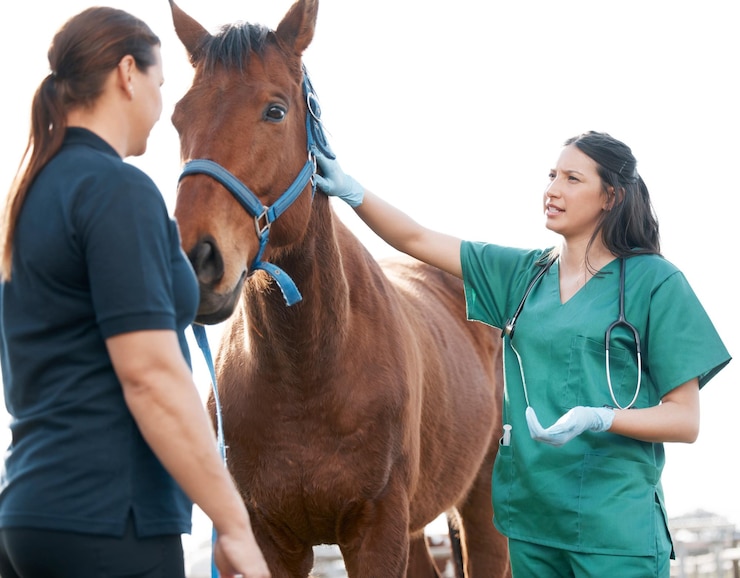
African Horse Sickness is a serious viral disease that affects horses and other equids, including donkeys and zebras. It is transmitted by infected Culicoides midges, which are small biting insects that can carry the virus between animals. The disease can cause severe illness and may lead to death, depending on the form of the disease and the animal’s condition. Clinical signs can include fever, swelling around the head and neck, breathing difficulties and other signs of serious illness. Recognising these symptoms early is important because prompt reporting allows veterinary authorities to investigate suspected cases and take appropriate action.
The Department has established an outbreak containment area in line with the Animal Diseases Act and the Western Cape Department of Agriculture’s contingency plan for African Horse Sickness. Movement controls now apply within the controlled area, with horse movements ordinarily requiring a permit issued by State Vet: Boland. However, the Department has confirmed that no permits will be issued for moving horses out of the affected area during the current response. These restrictions aim to prevent potentially exposed animals from moving to other locations while veterinary teams assess the situation. Horse owners must therefore avoid moving animals without official authorisation and should contact Veterinary Services if they need guidance about the restrictions.
Veterinary Services, authorised veterinarians and industry partners have started intensive surveillance, tracing and census activities in and around the affected property. These activities will help authorities identify the number of equids in the area, monitor their health and determine whether the virus has spread beyond the confirmed location. The work also allows veterinary teams to identify animals that may have had contact with infected midges or other potentially exposed equids. The Department has asked horse owners in the controlled area to cooperate fully with veterinary officials during inspections and information-gathering activities. Accurate records and prompt communication from owners will help strengthen the response and support early detection of any additional cases.
Horse owners and stable managers should watch their animals closely for signs that may indicate African Horse Sickness. Unexplained fever, swelling of the head or neck and difficulty breathing require urgent veterinary attention, particularly in an area where a confirmed case has occurred. Unexpected death must also be reported to Veterinary Services without delay. Owners should not wait for several symptoms to appear before seeking advice from a veterinarian. Early reporting gives authorities a better opportunity to investigate suspected infection and take steps to limit further transmission.
Reducing exposure to Culicoides midges is another important part of African Horse Sickness prevention. The Department encourages owners to stable horses from two hours before sunset until two hours after sunrise where possible, as this can reduce their exposure during periods when the insects are active. Owners should also avoid keeping horses in low-lying wet areas where conditions may favour midge activity. Registered insect repellents and insecticides can provide additional protection when used according to their instructions. Stable management, insect control and regular observation should form part of a wider approach to protecting horses during the outbreak response.
The Department has also issued a strong warning against African Horse Sickness vaccination at this time. The currently registered vaccine is a live-attenuated vaccine, which contains weakened forms of the virus. According to the Department, using this vaccine while vectors are present could allow midges to spread the vaccine strain and potentially worsen the situation. Minister Aucamp has therefore called on horse owners to refrain from vaccination during this period. Owners should discuss any vaccination questions with their veterinarian and follow official guidance rather than making independent decisions.
The Department has stated that there is currently no proof of large-scale disease activity outside the affected property. However, this does not mean that owners in surrounding areas can ignore the risk. Veterinary Services will continue monitoring the situation and will provide further information as investigations produce additional findings. The response will depend on surveillance results and the identification of any further cases. Horse owners should rely on official updates and maintain communication with their local state veterinarian.
The confirmed case may also have implications for South Africa’s international mohair and equine-related trade environment, particularly where animal health requirements affect the movement of horses and other equids. The Department has indicated that international trade partners will be notified of the outbreak. Further information about any international trade implications will be communicated as it becomes available. The Western Cape Department of Agriculture will also provide updates on containment measures, movement restrictions and permit requirements. Equine stakeholders can seek additional guidance from Veterinary Services and through the information available at www.myhorse.org.za.
The African Horse Sickness case in Cederberg highlights the importance of veterinary surveillance, responsible horse ownership and cooperation between farmers, veterinarians and government authorities. Although the Department has confirmed only one infected animal and has reported no proof of wider disease activity, strict compliance with movement controls remains essential. Horse owners can help protect their animals and the wider equine industry by reporting suspicious symptoms, reducing midge exposure and following official instructions on vaccination and movement. The coming period will be important as veterinary teams complete their investigations and assess the extent of the risk. A coordinated response and continued vigilance will be central to containing the outbreak and safeguarding South Africa’s horses.
Join 'Farmers Mag' WhatsApp Channel
Get the latest Farming news and tips delivered straight to your WhatsApp
CLICK HERE TO JOIN