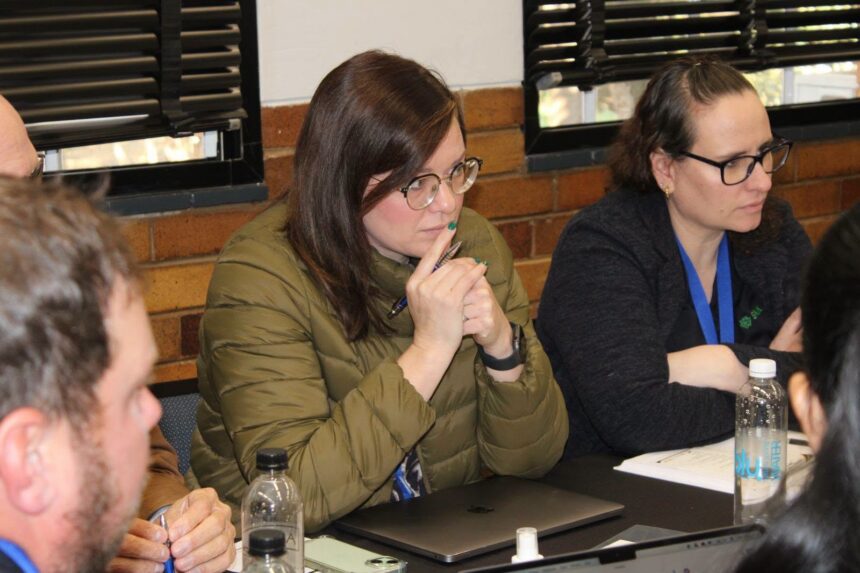
South Africa has taken another important step towards protecting its agricultural sector as the National Plant Pest Outbreak Simulation Exercise takes place today at the University of Pretoria. The event brings together government departments, researchers, industry representatives and key agricultural stakeholders to improve the country’s preparedness for plant pest emergencies. Plant pests pose a serious threat to crop production, food security and agricultural trade, making proactive planning essential for protecting one of South Africa’s most valuable economic sectors. By simulating a realistic outbreak scenario, participants are able to test emergency response systems, strengthen collaboration and identify areas for improvement before an actual crisis occurs. This forward-thinking approach reflects the country’s commitment to building a resilient agricultural system capable of responding quickly and effectively to emerging plant health threats.
Plant pests have the potential to cause widespread damage to crops, reduce yields and result in significant financial losses for farmers. In addition to affecting food production, serious pest outbreaks can disrupt local supply chains and threaten South Africa’s ability to export agricultural products to international markets. Many trading partners require strict compliance with plant health regulations before allowing imported crops and seeds into their countries. An uncontrolled outbreak can therefore have consequences that extend far beyond individual farms, affecting entire agricultural industries and the national economy. Strengthening preparedness through simulation exercises helps reduce these risks by ensuring that response systems are ready when they are needed.
The National Plant Pest Outbreak Simulation Exercise focuses on several key areas that are essential for effective emergency management. One of the primary objectives is to improve the country’s ability to respond rapidly and efficiently when a plant pest outbreak is detected. Speed is critical because early intervention often determines whether an outbreak can be contained before it spreads to larger production areas. Participants are challenged to apply emergency response protocols, coordinate decision-making and implement control measures under simulated conditions. These practical exercises help build confidence while improving coordination among the various organisations responsible for managing plant health emergencies.
Early detection and accurate identification of plant pests form another major focus of the simulation. Identifying harmful pests at the earliest possible stage allows authorities to implement containment measures before widespread damage occurs. Researchers, plant health specialists and laboratory experts play an important role in diagnosing pest outbreaks and confirming the identity of harmful organisms. Accurate identification ensures that appropriate control strategies are selected while avoiding unnecessary interventions that may waste valuable resources. Continuous investment in diagnostic capacity and scientific expertise strengthens South Africa’s overall plant health surveillance system.
The exercise also places significant emphasis on strengthening field surveillance and outbreak management. Effective surveillance programmes allow agricultural authorities to monitor crop health, detect unusual pest activity and gather valuable information from farming communities across the country. Regular inspections and monitoring help identify potential threats before they become major outbreaks. During the simulation, participants practice field investigations, data collection and communication procedures that would be required during a real emergency. These activities improve readiness while reinforcing the importance of coordinated surveillance efforts between government agencies, researchers and producers.
Managing plant pest outbreaks requires more than simply controlling the pests themselves because trade measures also play a vital role. South Africa exports a wide range of agricultural products to international markets where strict phytosanitary standards must be maintained. During a pest outbreak, authorities may need to implement quarantine zones, movement controls and certification requirements to prevent the spread of harmful organisms. The simulation allows participants to evaluate how these measures can be introduced quickly while minimising disruption to agricultural trade. Maintaining confidence among international trading partners depends on demonstrating that South Africa has effective systems in place to manage plant health risks.
The grains and seeds industry receives particular attention during the exercise because it represents a critical component of the country’s agricultural economy. Healthy seed production forms the foundation of successful crop farming, while grain production supports both domestic food supplies and export earnings. Pest outbreaks affecting these industries could significantly reduce yields and threaten food security if not managed effectively. By improving preparedness within the grains and seeds sector, stakeholders strengthen the resilience of the entire agricultural value chain. The lessons learned through simulation exercises can help protect future harvests and support long-term agricultural sustainability.
Collaboration between government, research institutions and industry partners remains one of the strongest aspects of the National Plant Pest Outbreak Simulation Exercise. Plant health emergencies require coordinated action involving multiple organisations with different areas of expertise. Government agencies provide leadership and regulatory oversight, researchers contribute scientific knowledge, while industry representatives offer practical insights based on commercial farming experience. Working together during simulated scenarios helps establish stronger communication channels and clearer operational procedures before an actual emergency occurs. This collaborative approach improves overall preparedness while ensuring that resources can be mobilised quickly when needed.
Preparedness is increasingly important as global trade, climate change and international travel create new opportunities for invasive plant pests to spread across borders. Rising temperatures and changing weather patterns can also influence the distribution of certain pest species, creating additional challenges for agricultural producers. Continuous training, regular simulation exercises and investment in surveillance systems enable South Africa to adapt to these evolving risks. Proactive planning is often more effective and less costly than responding after widespread damage has already occurred. Building a culture of preparedness strengthens the country’s agricultural resilience and protects future food production.
Today’s National Plant Pest Outbreak Simulation Exercise at the University of Pretoria demonstrates South Africa’s commitment to protecting its agricultural sector through preparation, collaboration and continuous improvement. By focusing on rapid outbreak response, early pest detection, accurate identification, stronger field surveillance, effective outbreak management and robust trade measures, the exercise strengthens the country’s ability to respond to future plant health emergencies. Enhanced preparedness within the grains and seeds industry further supports national food security and economic stability. The combined efforts of government, researchers, industry and other key stakeholders ensure that South Africa remains better equipped to prevent, detect and manage plant pest threats. Investing in preparedness today will help safeguard crops, protect farmers, preserve international market access and strengthen the long-term sustainability of South African agriculture.
Join 'Farmers Mag' WhatsApp Channel
Get the latest Farming news and tips delivered straight to your WhatsApp
CLICK HERE TO JOIN