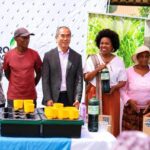
Protecting livestock from disease remains one of the most important responsibilities in maintaining a strong and sustainable agricultural sector. Healthy animals contribute directly to food security, household incomes and the economic wellbeing of rural communities across South Africa. As part of Service Delivery Week, Limpopo MEC for Agriculture and Rural Development Nakedi Grace Kekana visited Mashishimale Village in the Ba-Phalaborwa Local Municipality to lead a critical livestock dipping and Foot-and-Mouth Disease (FMD) vaccination campaign. The initiative brings together veterinary professionals and government officials to strengthen disease prevention efforts while supporting livestock farmers in the region. Through these interventions, the department aims to protect animal health, safeguard rural livelihoods and strengthen confidence in the province’s livestock industry.
Foot-and-Mouth Disease is one of the most contagious viral diseases affecting cloven-hoofed animals such as cattle, goats, sheep and pigs. Although the disease does not pose a food safety risk to humans and is considered an animal health issue, it can have devastating consequences for livestock producers if outbreaks are not controlled quickly. Infected animals often experience reduced productivity, weight loss and lower milk production, while movement restrictions imposed during outbreaks can severely disrupt farming operations. These challenges place significant financial pressure on farmers, particularly those who depend on livestock as their primary source of income. Preventing the spread of the disease therefore remains a priority for veterinary authorities and the agricultural sector.
The vaccination drive in Mashishimale forms part of the Limpopo Department of Agriculture and Rural Development’s broader strategy to improve animal health services during Service Delivery Week. By bringing veterinary services directly to farming communities, the department ensures that farmers have easier access to essential disease prevention programmes. Livestock dipping and vaccination campaigns help reduce the spread of infectious diseases while improving the overall health and productivity of animals. Regular veterinary interventions also strengthen disease surveillance by allowing officials to monitor livestock health more closely. These programmes contribute to a more resilient livestock sector capable of supporting long-term agricultural growth.
MEC Nakedi Grace Kekana joined veterinary officials on the frontline in Phalaborwa to oversee the implementation of the vaccination campaign and engage directly with farming communities. Her participation demonstrates the provincial government’s commitment to supporting livestock farmers through practical interventions that address real agricultural challenges. Direct engagement with farmers also provides an opportunity for government officials to understand local concerns and encourage participation in disease control programmes. Visible leadership during service delivery initiatives reinforces the importance of collective action in protecting the province’s agricultural resources. It also highlights the department’s dedication to ensuring that government services reach communities where they are needed most.
Veterinary professionals play a critical role in protecting South Africa’s livestock industry through disease prevention, surveillance and farmer education. During vaccination campaigns, veterinary teams administer vaccines, conduct livestock inspections and provide advice on biosecurity measures that reduce the risk of disease transmission. Farmers also receive guidance on recognising early signs of illness and the importance of reporting suspected cases immediately. Early detection remains one of the most effective ways to prevent widespread outbreaks and minimise economic losses. Continuous collaboration between veterinary services and farming communities strengthens the country’s ability to respond quickly to animal health threats.
The department has urged all livestock owners in and around Phalaborwa to bring their animals forward for vaccination and cooperate fully with veterinary teams during the campaign. Farmer participation is essential for achieving widespread immunity within livestock populations and reducing the likelihood of disease spreading between farms. Every vaccinated animal contributes to protecting neighbouring herds and strengthening the overall resilience of the local livestock industry. Cooperation also enables veterinary officials to monitor disease trends and maintain accurate animal health records. Strong partnerships between farmers and government remain essential for successful disease control programmes.
Livestock farming supports thousands of rural households throughout Limpopo by providing meat, milk, breeding stock and income from animal sales. Disease outbreaks can threaten these livelihoods by reducing productivity, increasing veterinary costs and limiting access to livestock markets. Preventative measures such as vaccination and regular dipping protect both animal welfare and the financial stability of farming families. Maintaining healthy livestock populations also contributes to national food security by ensuring a reliable supply of animal products. Investments in animal health therefore deliver benefits that extend beyond individual farms to the broader agricultural economy.
Service Delivery Week provides an important platform for government departments to deliver essential services directly to communities while strengthening relationships with citizens. For the agricultural sector, this includes expanding access to veterinary care, extension services and farmer support programmes. Bringing these services closer to rural communities helps reduce barriers that may prevent farmers from accessing government assistance. It also creates opportunities to educate producers about best farming practices, disease prevention and sustainable livestock management. Such initiatives strengthen rural development while promoting more productive and resilient farming systems.
The Foot-and-Mouth Disease vaccination and livestock dipping campaign in Mashishimale reflects the Limpopo Department of Agriculture and Rural Development’s ongoing commitment to protecting farmers and strengthening the province’s agricultural sector. Through the leadership of MEC Nakedi Grace Kekana and the dedication of veterinary professionals, the campaign is helping reduce the risks posed by one of the livestock industry’s most significant diseases. Encouraging farmers to participate actively in vaccination programmes remains essential for protecting rural livelihoods, maintaining agricultural productivity and supporting economic growth. Continued investment in animal health services will strengthen the resilience of Limpopo’s livestock sector while improving food security across the province. By working together, government and farming communities can build a healthier, more sustainable future for agriculture in Ba-Phalaborwa and beyond.
Join 'Farmers Mag' WhatsApp Channel
Get the latest Farming news and tips delivered straight to your WhatsApp
CLICK HERE TO JOIN