

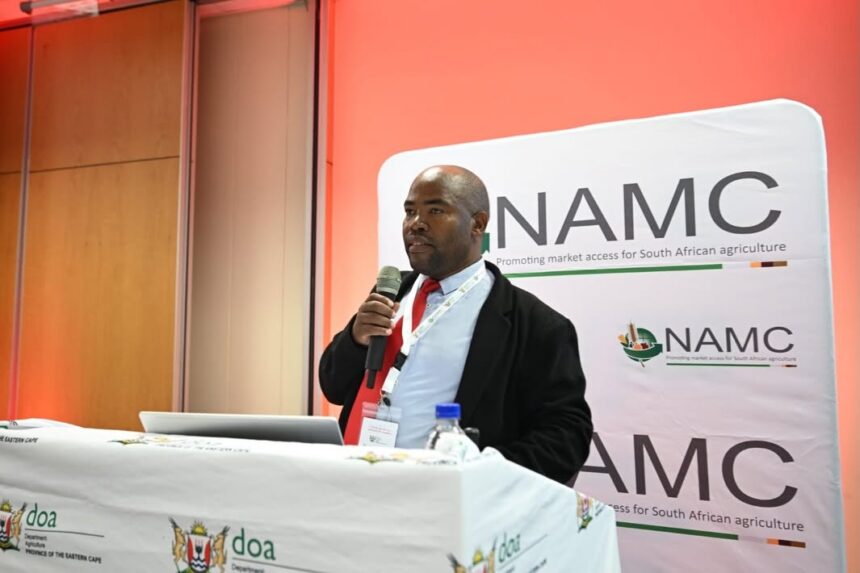
The first day of the Livestock Transformation Conference took place yesterday at the kuGompo City Industrial Development Zone (IDZ), bringing together farmers, industry leaders, government representatives, agricultural experts and other key stakeholders committed to the future of South Africa’s livestock sector. The conference serves as an important platform for discussing practical strategies that can accelerate transformation while creating more opportunities for black livestock producers. As the livestock industry continues to play a significant role in the country’s economy and food security, building a more inclusive and competitive sector has become increasingly important. Participants gathered to exchange ideas, share experiences and identify solutions that can strengthen the industry’s long-term sustainability. The event highlighted the importance of collaboration in ensuring that livestock farming creates opportunities for producers from all backgrounds.
South Africa’s livestock industry contributes significantly to agricultural production, rural employment and national food security. Cattle, sheep, goats, pigs and poultry provide meat, milk, wool, leather and other valuable products that support both local markets and export opportunities. Thousands of rural households also depend on livestock farming as a primary source of income and household nutrition. Despite the industry’s importance, many black livestock farmers continue to face challenges that limit their ability to expand production and compete in commercial markets. Addressing these challenges remains one of the central goals of the Livestock Transformation Conference.
Transformation within the livestock sector involves creating greater access to resources, markets, financing, infrastructure and skills development for historically disadvantaged farmers. The conference explored ways to remove barriers that have limited participation in commercial livestock production while encouraging greater investment in emerging farming enterprises. Participants discussed the importance of ensuring that transformation goes beyond policy by delivering practical support that enables farmers to build sustainable businesses. Access to quality breeding stock, veterinary services, grazing land, feed and modern production technologies were identified as essential components of successful livestock development. These discussions recognised that long-term transformation depends on creating an environment where farmers have the tools needed to succeed.
Capacity building formed a major focus of the conference as stakeholders examined ways to strengthen the knowledge and skills of black livestock producers. Successful livestock farming requires continuous learning in areas such as animal nutrition, breeding, disease prevention, pasture management and business planning. Training programmes, mentorship opportunities and technical support from experienced professionals can help farmers improve productivity while reducing production risks. Extension services also play an important role by providing practical guidance based on current agricultural research and best farming practices. Investing in farmer education strengthens both individual enterprises and the broader livestock industry.
Access to markets remains one of the most important factors influencing the success of livestock farmers. Conference participants discussed strategies to improve market opportunities for black producers by strengthening value chains and encouraging stronger partnerships between farmers, processors, retailers and exporters. Reliable market access provides farmers with greater confidence to invest in expanding production while improving product quality. Stakeholders also highlighted the importance of meeting animal health, traceability and food safety standards that allow producers to compete in premium domestic and international markets. Stronger market integration ultimately benefits farmers through improved incomes and long-term business growth.
The role of innovation and technology also featured prominently during discussions at the conference. Modern livestock farming increasingly relies on digital record-keeping, precision farming technologies, improved breeding techniques and advanced animal health management systems. These innovations allow farmers to make better management decisions while increasing productivity and reducing operational costs. Participants explored ways to improve access to these technologies for emerging livestock producers, ensuring that technological progress benefits farmers across the entire industry. Expanding access to innovation is expected to strengthen the competitiveness of South African livestock farming in an increasingly demanding global marketplace.
Animal health and biosecurity were recognised as essential pillars of a successful livestock industry. Recent animal disease outbreaks have highlighted the importance of maintaining strong disease surveillance systems, effective vaccination programmes and responsible livestock movement controls. Conference discussions emphasised that protecting animal health is critical for maintaining consumer confidence, safeguarding export markets and reducing financial losses for farmers. Participants also examined the importance of collaboration between veterinary authorities, industry organisations and producers in responding quickly to disease threats. Effective biosecurity protects not only individual farms but the entire agricultural economy.
The conference also highlighted the importance of empowering young people and women within the livestock sector. Encouraging broader participation helps strengthen rural economies while creating employment opportunities and supporting future agricultural growth. Young farmers bring fresh ideas, technological skills and entrepreneurial energy that can drive innovation across the industry. Supporting women in livestock production also contributes to greater economic inclusion and stronger household livelihoods in rural communities. These discussions reinforced that meaningful transformation requires opportunities for all groups to participate fully in agricultural development.
The first day of the Livestock Transformation Conference at the kuGompo City Industrial Development Zone demonstrated a strong commitment to building a more inclusive, competitive and sustainable livestock industry in South Africa. By bringing together key stakeholders, the conference created an important platform for discussing practical solutions that promote transformation, strengthen the capacity of black livestock producers and expand participation across the sector. The exchange of knowledge, experience and innovative ideas highlighted the value of collaboration in addressing the challenges facing livestock farming. As discussions continue, the conference is expected to contribute to stronger partnerships, improved farmer support and greater opportunities for emerging livestock enterprises. These efforts will play an important role in strengthening food security, creating rural employment and ensuring the long-term growth of South Africa’s livestock industry.
Join 'Farmers Mag' WhatsApp Channel
Get the latest Farming news and tips delivered straight to your WhatsApp
CLICK HERE TO JOIN




