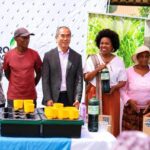
The Free State Department of Agriculture and Rural Development and Environmental Affairs (DARDEA) continues to prioritise the growth of sustainable farming projects that create jobs, strengthen food security and improve rural livelihoods. On 4 July 2026, MEC Elzabe Rockman and Head of Department Tshepo Mabilo visited the Phumelela Integrated Farming Trust, previously known as the Vrede Dairy project, to assess its current performance and discuss strategies for future growth. The meeting, held on the farm, was also attended by the Executive Mayor of Phumelela Local Municipality, Councillor Dume Kobeni, highlighting the importance of collaboration between provincial and local government. The engagement formed part of ongoing efforts to ensure that strategic agricultural projects remain productive, financially sustainable and beneficial to their intended beneficiaries. It also provided an opportunity to evaluate progress while identifying practical solutions to existing challenges.
The primary objective of the meeting was to assess the current status of the farming project, review its governance structures and identify opportunities to increase and diversify agricultural production. Effective governance plays a critical role in ensuring that agricultural projects remain accountable, financially sound and capable of delivering long-term benefits to participating communities. By evaluating management systems alongside production performance, the department aims to strengthen decision-making and improve operational efficiency. Regular engagements between government and project leadership also create opportunities to address challenges before they affect productivity. This collaborative approach supports the long-term sustainability of community-based farming initiatives across the Free State.
During the meeting, Chairperson of the Board, Mr T. Mocwaledi, presented a comprehensive overview of the project’s current status, achievements and ongoing challenges. He highlighted several positive developments that demonstrate the progress made since the establishment of the trust. Among the notable achievements were the successful development of a beef enterprise, the establishment of a fodder bank to support livestock feeding and an increase in the dairy cattle population. He also reported that the project has maintained consistent access to markets, allowing its agricultural products to reach buyers despite operating challenges. These achievements indicate that the project continues to build a stronger foundation for long-term agricultural success.
Despite this progress, the Board acknowledged that the project continues to face significant challenges, particularly the ongoing impact of Foot-and-Mouth Disease. The disease has affected various aspects of livestock production, with milk production experiencing some of the greatest disruption. Foot-and-Mouth Disease remains one of the most serious animal health threats affecting the livestock sector because it can reduce productivity, restrict livestock movement and influence market opportunities. Disease outbreaks also place additional financial pressure on farming enterprises through increased management costs and production losses. Addressing animal health challenges remains essential for protecting both the economic viability of the project and the livelihoods of those who depend on it.
The establishment of the beef enterprise represents an important step in reducing dependence on a single agricultural activity. Diversification within livestock production allows farming businesses to spread risk while creating additional income streams. Similarly, the development of a fodder bank strengthens the project’s resilience by ensuring that adequate feed is available during periods of drought or limited grazing. Reliable feed supplies improve livestock health and help maintain production throughout changing seasonal conditions. These initiatives demonstrate how careful planning and strategic investment can strengthen the sustainability of agricultural projects.
Following the Board meeting, MEC Rockman and other officials met directly with the beneficiaries of the Phumelela Integrated Farming Trust. This engagement provided an opportunity for beneficiaries to discuss their experiences, share concerns and contribute ideas for the future development of the project. Involving beneficiaries in planning and decision-making helps strengthen ownership while encouraging greater collaboration among all stakeholders. Open communication also allows government to better understand the practical challenges experienced on the ground. Such engagements are essential for ensuring that agricultural support programmes remain responsive to the needs of farming communities.
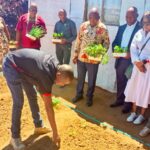
During her address, MEC Rockman encouraged both the Board and project beneficiaries to consider expanding the farming operation beyond its current activities. She recommended diversifying production by introducing horticulture alongside other agricultural enterprises that could strengthen the project’s financial sustainability. Horticultural production offers opportunities to produce fruits and vegetables that can generate additional income while improving local food security. Diversification also reduces the risks associated with relying heavily on one agricultural commodity or enterprise. By developing multiple income streams, farming projects are often better equipped to withstand market fluctuations, disease outbreaks and changing weather conditions.
The MEC further emphasised that the discussions held during the meeting had established a strong foundation for future planning and the implementation of initiatives aimed at strengthening the project. She acknowledged the progress already achieved and encouraged continued cooperation among all beneficiaries, Board members and government partners. Successful agricultural projects require teamwork, transparent governance and a shared commitment to long-term development goals. Building strong partnerships creates greater confidence among stakeholders while improving the likelihood of achieving sustainable growth. Continued collaboration will also support more effective planning as the project expands into new agricultural activities.
The meeting at the Phumelela Integrated Farming Trust highlighted the importance of continuous government support, strong governance and strategic planning in ensuring the success of agricultural development projects. While challenges such as Foot-and-Mouth Disease continue to affect livestock production, the progress made in expanding the dairy herd, establishing a beef enterprise and securing market access demonstrates the project’s resilience and potential. With further diversification into horticulture and other agricultural ventures, the project can strengthen its economic sustainability while creating additional opportunities for beneficiaries. The commitment shown by the Free State Department of Agriculture and Rural Development and Environmental Affairs, local government and project leadership reflects a shared vision of building a more productive and inclusive agricultural sector. Through continued collaboration and innovation, the Phumelela Integrated Farming Trust is well positioned to contribute to rural development, food security and economic growth in the Free State.
Join 'Farmers Mag' WhatsApp Channel
Get the latest Farming news and tips delivered straight to your WhatsApp
CLICK HERE TO JOIN