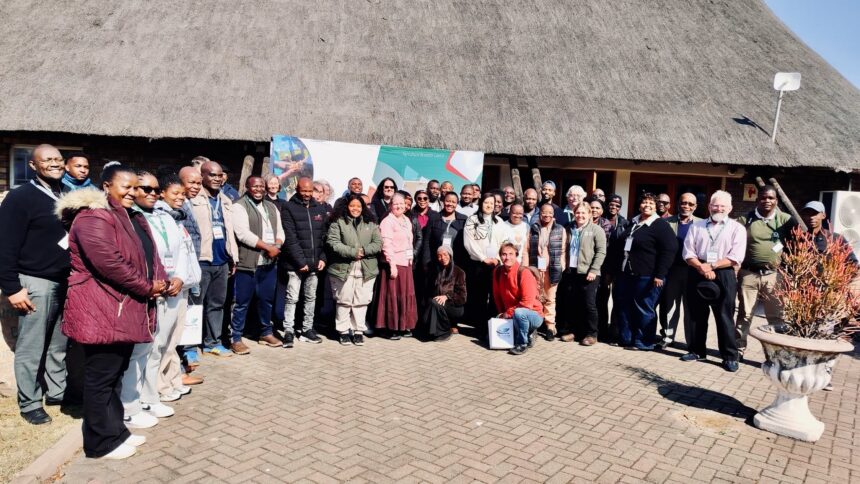
South Africa continues to strengthen its agricultural biosecurity systems through a specialised workshop aimed at improving the country’s readiness to respond to animal and plant health threats. The Agricultural Research Council (ARC), in collaboration with the Department of Agriculture (DoA) and the National Biosecurity HUB, is currently hosting a biosecurity workshop from 6 to 10 July 2026. The programme focuses on animal health and plant health risk analysis, modelling and simulation exercises designed to improve national preparedness against disease outbreaks. Bringing together experts from various sectors, the workshop provides an opportunity to review existing systems, share scientific knowledge and develop practical strategies to safeguard the country’s agricultural industry. As biosecurity challenges continue to evolve, initiatives such as this play a critical role in protecting food production, supporting farmers and maintaining confidence in South Africa’s agricultural sector.
Biosecurity has become one of the most important priorities for modern agriculture because disease outbreaks can have devastating consequences for food security, rural livelihoods and international trade. Both livestock and crop industries face growing threats from infectious diseases, invasive pests and changing environmental conditions that require coordinated responses. Effective biosecurity depends on strong surveillance systems, scientific research, risk assessment and collaboration between government, research institutions and industry stakeholders. Investing in preparedness allows authorities to detect threats earlier, respond more efficiently and reduce the economic impact of outbreaks. The current workshop reflects South Africa’s commitment to strengthening these essential capabilities through science-based planning and practical training.
A major focus of the workshop is the ongoing Foot and Mouth Disease (FMD) situation, which continues to present significant challenges for the country’s livestock industry. The programme has been convened in response to the evolving FMD landscape, providing participants with an opportunity to review current risks and assess existing response strategies. Discussions focus on identifying weaknesses in current systems while developing practical solutions to reduce the spread and impact of the disease. Participants are also examining how improved coordination, surveillance and emergency planning can strengthen future responses. This collaborative approach ensures that valuable lessons from recent outbreaks contribute to stronger national preparedness.
Foot and Mouth Disease remains one of the most economically significant livestock diseases because of its ability to spread rapidly among cloven-hoofed animals such as cattle, sheep, goats and pigs. Although the disease poses little direct risk to human health, its impact on agricultural production and international trade can be severe. Outbreaks often result in movement restrictions, export limitations and financial losses for livestock producers. Effective disease management therefore requires rapid detection, coordinated response measures and ongoing cooperation between veterinary authorities and farming communities. The workshop provides an important platform for evaluating these response systems and identifying opportunities for improvement.
Risk analysis forms a central component of the workshop because informed decision making depends on understanding the likelihood and potential consequences of disease outbreaks. Participants are exploring scientific methods used to evaluate threats, prioritise risks and develop appropriate response strategies. Accurate risk assessments allow authorities to allocate resources more effectively while implementing targeted control measures where they are needed most. Modelling techniques further strengthen preparedness by helping experts predict how diseases may spread under different scenarios. These analytical tools support evidence-based decisions that improve national biosecurity planning.
Simulation exercises also play an important role throughout the workshop by allowing participants to test outbreak response plans under realistic conditions. Rather than waiting for actual emergencies, simulation exercises provide a safe environment in which officials can evaluate procedures, communication systems and operational readiness. These practical activities help identify strengths and weaknesses in current emergency response plans while improving coordination among participating organisations. Lessons learned during simulations contribute directly to stronger outbreak management strategies. Regular exercises ensure that response teams remain prepared for future agricultural emergencies.
The plant health component of the workshop focuses specifically on improving outbreak response plans through simulation exercises that strengthen national preparedness. Plant diseases and invasive pests have the potential to cause widespread crop losses, threaten food security and disrupt agricultural exports if not managed effectively. By testing response procedures before an actual outbreak occurs, participants can identify areas requiring improvement while refining operational protocols. Enhanced preparedness enables authorities to respond more quickly and minimise damage when future plant health emergencies arise. This proactive approach supports the long-term sustainability of South Africa’s crop production systems.
The workshop benefits from international expertise provided by Professor Andrew Robinson, Director and Chief Executive Officer of the Centre of Excellence for Biosecurity Risk Analysis (CEBRA) and Professor in Applied Statistics at the University of Melbourne in Australia. Professor Robinson brings extensive experience in biosecurity risk analysis, statistical modelling and evidence-based decision making. His knowledge supports participants in applying advanced scientific approaches to disease preparedness and emergency planning. Learning from international experts strengthens local capacity while exposing participants to proven global best practices. This exchange of knowledge enhances South Africa’s ability to respond effectively to increasingly complex biosecurity challenges.
Collaboration between the Agricultural Research Council, the Department of Agriculture, the National Biosecurity HUB and international experts demonstrates the value of partnerships in protecting agricultural systems. Biosecurity requires contributions from scientists, veterinarians, plant health specialists, policymakers and industry representatives who each bring unique expertise to the response process. Working together ensures that decisions are informed by both scientific evidence and practical agricultural experience. Strong partnerships also improve communication during emergencies and enable faster implementation of disease control measures. Continued collaboration remains essential as South Africa prepares for future animal and plant health threats.
The Agricultural Research Council’s biosecurity workshop represents an important investment in the future resilience of South African agriculture. By focusing on animal health and plant health risk analysis, modelling and simulation exercises, the programme strengthens the country’s capacity to manage both current and emerging biosecurity challenges. The workshop’s emphasis on the evolving Foot and Mouth Disease situation, improved plant health outbreak response planning and evidence-based decision making reflects a comprehensive approach to agricultural preparedness. The expertise provided by Professor Andrew Robinson further enhances the quality of discussions and practical learning throughout the programme. Through continued collaboration, scientific innovation and proactive planning, South Africa is building stronger systems to protect farmers, safeguard food security and preserve the long-term sustainability of its agricultural sector.
Join 'Farmers Mag' WhatsApp Channel
Get the latest Farming news and tips delivered straight to your WhatsApp
CLICK HERE TO JOIN