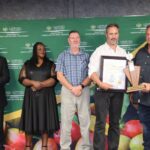
The aquaculture sector in Limpopo is experiencing steady growth, and this progress was clearly demonstrated during the Musina Fish Cluster Information Day held on 11 June 2026 at the Zevhezevhe Aquaculture Project. The event brought together fish farmers, government officials and aspiring aquaculture producers in a focused effort to share knowledge and strengthen production systems. A delegation of aspiring fish farmers from the North West Province also attended, spending the week studying Limpopo’s successful fish farming models. The gathering highlighted how interprovincial collaboration can accelerate skills development and improve agricultural productivity. It also reinforced the importance of aquaculture as a key contributor to food security, job creation and rural economic development in South Africa. The strong participation reflected growing confidence in fish farming as a viable and scalable agribusiness sector.
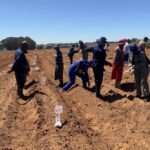
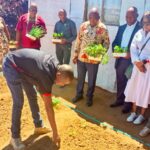
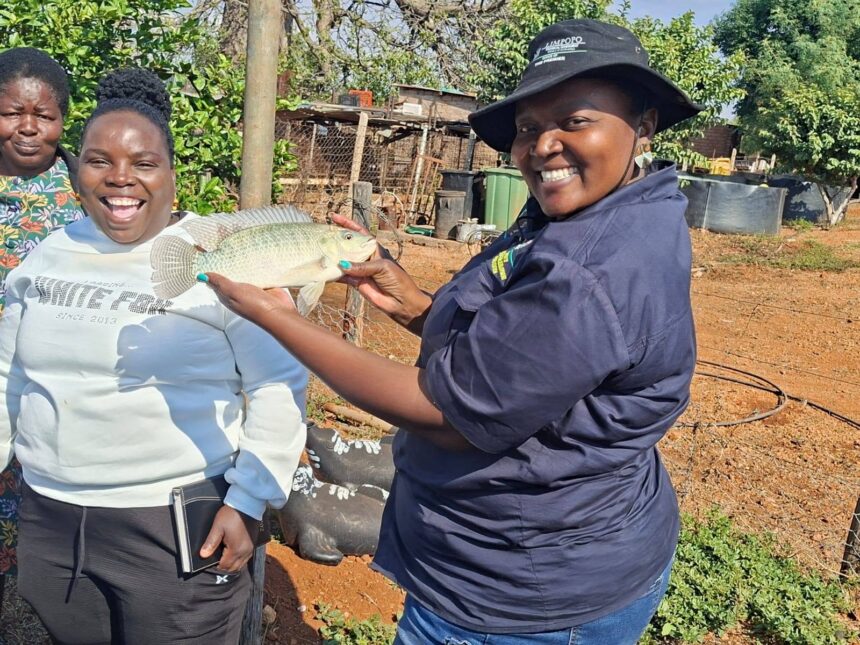
Officials from the Limpopo Department of Agriculture and Rural Development played a central role in guiding discussions and demonstrating practical aquaculture techniques. Mudi Ligege, representing the department, formally welcomed visiting farmers and expressed optimism about future partnerships between provinces. He emphasized that shared learning opportunities such as this help strengthen the agricultural sector by allowing farmers to observe proven production systems in action. The live demonstrations of fish harvesting provided practical insight into efficient aquaculture practices that can be replicated in different regions. Farmers were able to engage directly with experts and observe how well managed systems can improve productivity and profitability. This hands on approach helped bridge the gap between theoretical training and real world farming operations.
Food safety emerged as a critical focus area during the event, especially as aquaculture production continues to expand across the province. Shalati Gana from LDARD Veterinary Services delivered an in depth presentation on public health and food safety standards in fish farming. She emphasized that food safety begins at the farm level, long before products reach consumers in the market. Farmers were encouraged to maintain strict control over water quality, feed management and medication use to reduce biological, chemical and physical risks. The importance of hygiene practices and compliance with veterinary guidelines was strongly highlighted throughout the session. Farmers were also advised to use protective equipment such as gloves when handling fish and to work closely with state veterinary services to ensure compliance with safety regulations.
A key regulatory requirement discussed during the event was the Certificate of Acceptability, which is essential for farmers aiming to access formal commercial markets. Officials explained that this certification confirms that production facilities meet required health and safety standards. Without it, farmers may face limitations when trying to supply supermarkets, institutions and export markets. The discussion reinforced the idea that compliance is not just a legal requirement but also a pathway to expanding business opportunities. Farmers were encouraged to invest in proper infrastructure and operational systems that support certification processes. This would enable them to move from informal trading environments into more structured and profitable market channels.
Market access and economic opportunity formed another major theme of the Musina Fish Cluster Information Day. Moloko Mathiba from the LDARD Agribusiness directorate outlined the strong demand for fish products in South Africa compared to current supply levels. He noted that national consumption stands at approximately 376,410 tons per year, which translates to an average of 6 to 8 kilograms per person annually. This gap between demand and supply presents a significant opportunity for local producers to expand production and increase market participation. Farmers were encouraged to explore both formal and informal markets, with informal channels offering easier entry points for emerging businesses. At the same time, formal markets remain highly lucrative for those who can meet compliance and quality standards.
Collaboration was identified as a key strategy for small scale farmers looking to access larger markets and improve competitiveness. Officials advised farmers to work together by forming cooperatives or collective selling groups to ensure consistent supply volumes. This approach helps farmers meet the demands of bulk buyers such as retailers, distributors and institutional clients. By pooling resources and coordinating production, farmers can also reduce operational costs and improve efficiency. Strong collaboration also strengthens bargaining power, allowing farmers to negotiate better prices and long term contracts. In addition to cooperation, accurate record keeping and proper administrative systems were emphasized as essential tools for tracking production costs and measuring business performance.
The event also featured an inspiring success story shared by Refilwe Thobejane, who highlighted how aquaculture in Musina has grown into a thriving sector due to favorable weather conditions and effective production management. The story demonstrated how resilience, planning and consistent effort can transform small scale initiatives into successful agribusiness enterprises. It also showed that local environmental conditions in areas such as Vhembe can support profitable fish farming when properly managed. This practical example motivated many of the visiting farmers and reinforced the idea that aquaculture offers real economic potential when supported by knowledge and discipline. The story served as a reminder that success in farming is often driven by commitment, adaptability and continuous learning.
The Musina Fish Cluster Information Day successfully showcased Limpopo’s growing aquaculture industry and its potential to contribute to national food security and economic development. Through knowledge sharing, practical demonstrations and expert presentations, farmers gained valuable insights into production, safety standards and market opportunities. The involvement of multiple stakeholders highlighted the importance of collaboration in building a strong and sustainable aquaculture sector. As more farmers adopt improved practices and strengthen their business models, the industry is expected to continue expanding across provinces. The event reinforced a clear message that aquaculture is not only a source of food but also a powerful driver of rural development and economic transformation in South Africa.
Join 'Farmers Mag' WhatsApp Channel
Get the latest Farming news and tips delivered straight to your WhatsApp
CLICK HERE TO JOIN