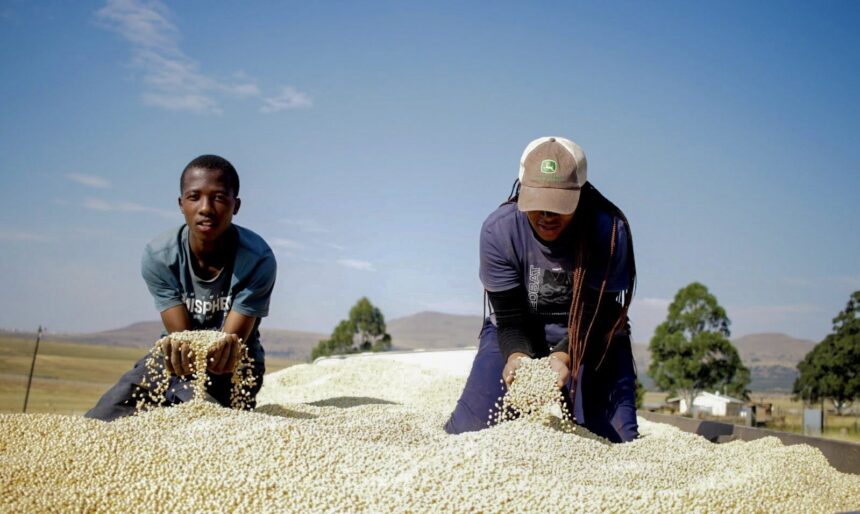
Agriculture in South Africa continues to evolve as emerging farmers take on larger roles in food production and rural development. One of the strongest recent examples of this progress comes from Jay Jay Farming, based in Bhaziya, Mthatha, under the King Sabata Dalindyebo Local Municipality in the O.R. Tambo District. The farm is supported through the ECRDA and Land Bank blended finance programme, which has helped unlock growth and expansion opportunities. Recently, the farm celebrated a successful second soybean harvest, marking a major step forward in its production journey. The results reflect how structured support, practical experience and youth-led leadership can transform agricultural outcomes in a short period of time.
Jay Jay Farming began its soybean production journey with a pilot phase during its first planting season. At that time, the farm cultivated 60 hectares of soybeans to test the crop’s viability and understand local production conditions. The initial harvest proved that soybean farming could succeed in the area, but it also exposed key challenges that needed attention. These included yield variability, soil management adjustments and improvements in input application practices. Despite these early limitations, the first season provided a strong foundation of learning that would later shape the farm’s growth strategy.
Building on the lessons from the trial phase, the farm made significant improvements in its second production cycle. The planted area expanded from 60 hectares to 101 hectares, reflecting growing confidence in the crop and the production system. This expansion was not only a scale increase but also a sign of improved planning and technical execution. Better soil preparation methods, refined planting schedules and improved crop management practices were introduced. These adjustments played a major role in stabilising production and increasing overall yield performance across the farm.
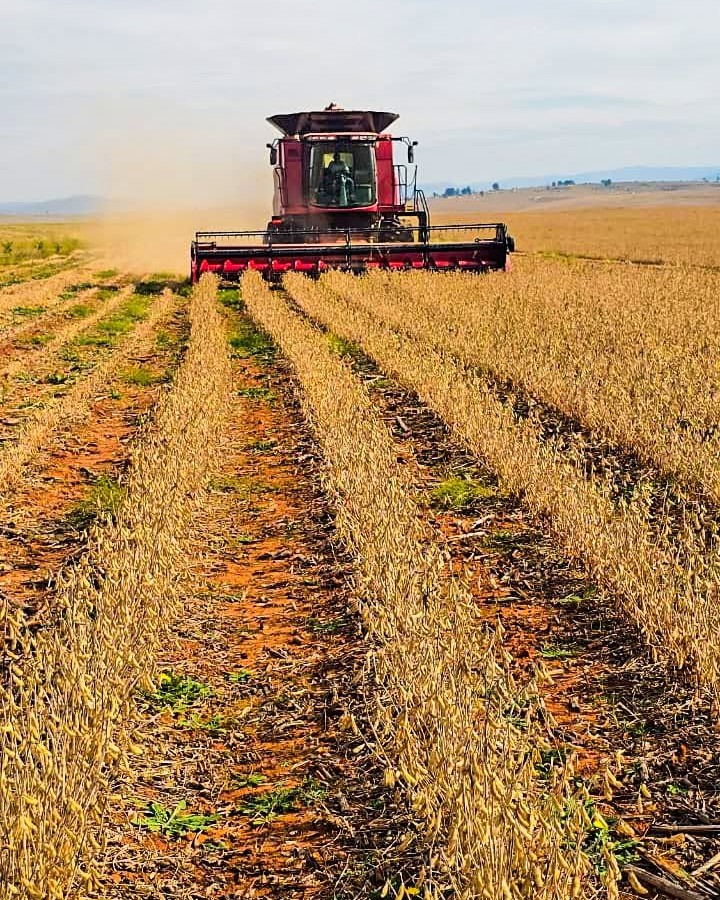
The second soybean harvest has shown clear results from these improvements, with a strong increase in productivity per hectare. According to Mzimasi Jalisa of Jay Jay Farming, yields have improved significantly compared to the first season. In the initial harvest, production ranged between 0.8 and 1.3 tonnes per hectare, which is common for first time commercial soybean operations in developing farming systems. In the current season, yields have increased to between 2.2 and 2.5 tonnes per hectare, representing a major improvement in output and efficiency. This growth demonstrates how experience and technical refinement can quickly transform agricultural performance.
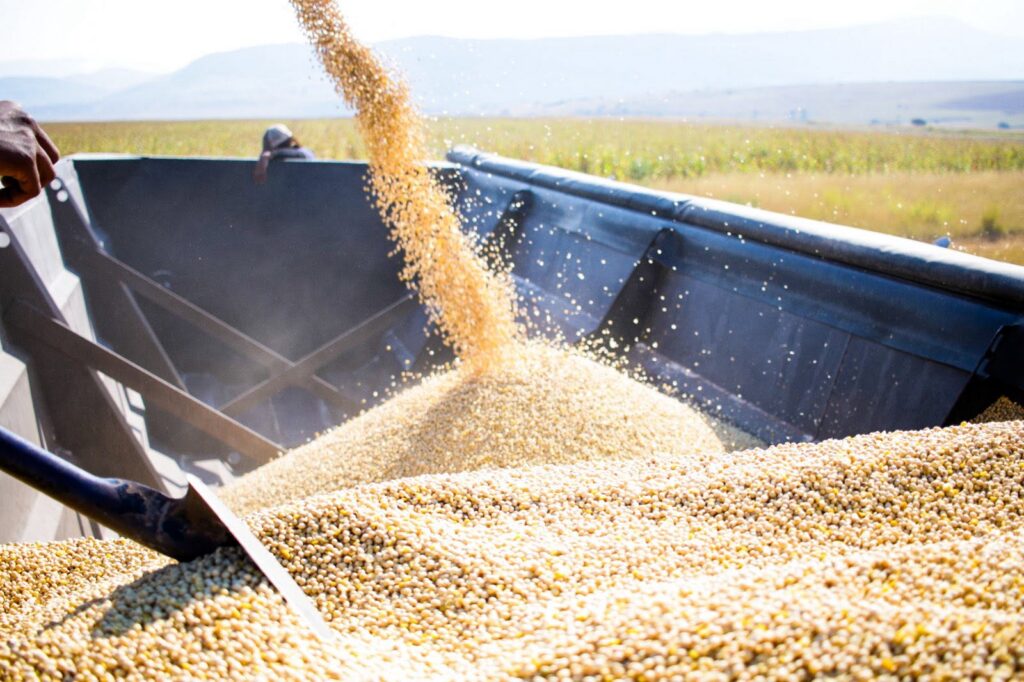
The success of Jay Jay Farming is closely linked to the support received through the ECRDA and Land Bank blended finance programme. This type of support structure is designed to assist emerging farmers with both financial resources and technical guidance. Access to funding allows farms to expand production areas, invest in inputs and improve infrastructure. At the same time, technical support helps farmers implement best practices that reduce risk and improve yields. This combination of finance and expertise has proven essential in helping Jay Jay Farming move from a trial phase to a more stable production system.
Crop diversification into soybeans also plays an important role in strengthening long term farm sustainability. Soybeans are a valuable crop due to their use in animal feed, food processing and soil improvement through nitrogen fixation. By producing soybeans at scale, Jay Jay Farming contributes to both local supply chains and broader agricultural value chains. The crop also helps improve soil fertility, which benefits future planting cycles and reduces reliance on synthetic fertilisers. This makes soybean production both economically and environmentally strategic for emerging farmers in the region.
The expansion from 60 hectares to 101 hectares also reflects increasing confidence in market opportunities and operational capacity. Scaling up production requires more efficient labour management, better logistics and improved coordination during planting and harvesting periods. It also requires stronger financial planning to manage input costs such as seed, fertiliser and fuel. The ability of Jay Jay Farming to successfully manage this expansion highlights growing operational maturity within the enterprise. This level of progress is critical for moving from emerging farmer status toward commercial farming sustainability.
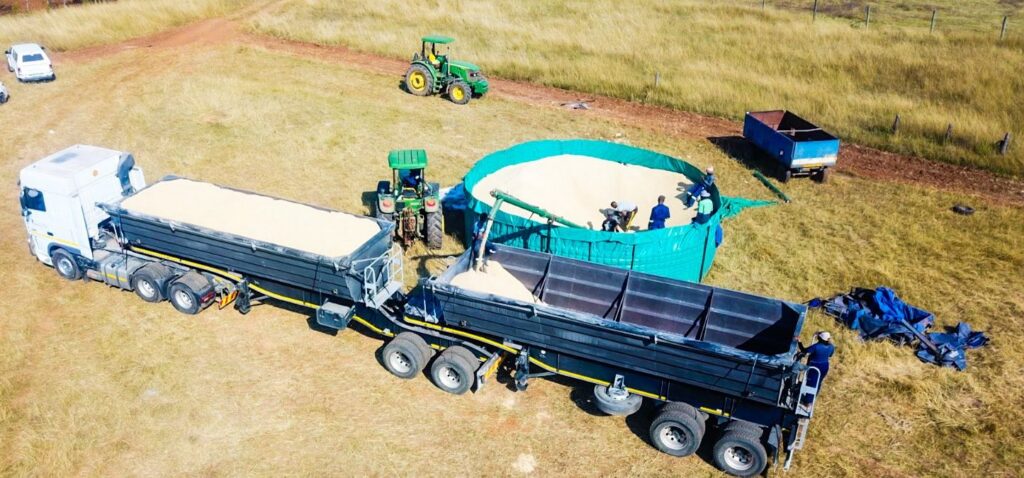
The success of the second harvest also highlights the importance of learning from early agricultural experiences. Many emerging farmers face challenges in their first production cycles, but the ability to adapt and improve determines long term success. Jay Jay Farming demonstrates how practical experience, combined with support systems, can lead to measurable improvements in productivity. The shift from lower yields in the first season to significantly higher yields in the second season shows the value of continuous improvement in farming practices. It also reinforces the importance of data driven decision making in agriculture.
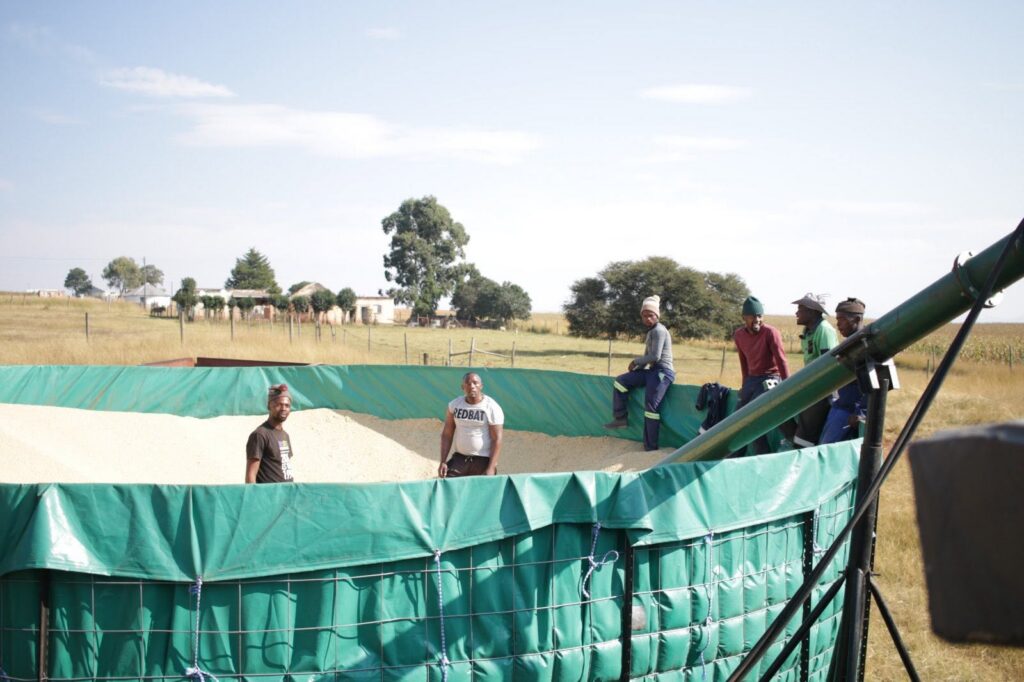
Jay Jay Farming’s progress carries wider significance for rural economic development in the Eastern Cape. Increased production levels create potential for job opportunities, local input demand and participation in regional supply chains. Successful youth led farms also serve as examples for other emerging farmers who are looking to scale their operations. The visibility of such success stories helps build confidence in agricultural careers among young people. It also strengthens the argument for continued investment in blended finance and agricultural development programmes.
The achievements at Jay Jay Farming demonstrate how structured support, youth leadership and practical learning can drive meaningful agricultural transformation. The strong improvement in soybean yields and the expansion of production land reflect a clear growth trajectory. With continued support and careful management, the farm is positioned to expand further in future seasons. The success of this second harvest confirms the potential of emerging farmers to contribute significantly to food production and rural economic development in South Africa.
Join 'Farmers Mag' WhatsApp Channel
Get the latest Farming news and tips delivered straight to your WhatsApp
CLICK HERE TO JOIN