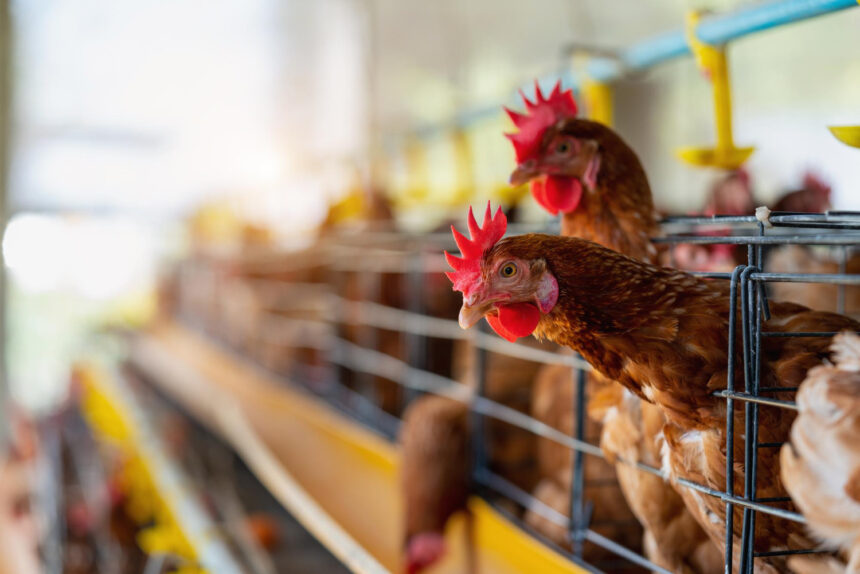
South Africa’s poultry industry is facing a critical period as delays in the rollout of avian influenza vaccines threaten farm biosecurity this winter. Poultry producers and industry leaders are raising concerns that without urgent intervention, the country could repeat the catastrophic losses experienced in 2023, when the outbreak caused approximately R10 billion in damages. The virus has a high transmission rate, and winter conditions create an environment that supports faster spread among birds. Farms that are unvaccinated or partially vaccinated are particularly vulnerable, placing both commercial and small-scale producers at risk. The industry is calling for faster, more practical implementation of vaccination programs to mitigate these threats before the peak infection season.
The challenge stems from logistical and regulatory hurdles that have slowed vaccine distribution. Manufacturing capacity is limited, and delays in import permits and certification processes have hindered access to sufficient doses. Producers face the additional difficulty of timing vaccinations correctly, as the protective effect takes time to establish, and misaligned administration could leave flocks exposed during the coldest months. Monitoring and surveillance systems also need strengthening to track outbreaks and inform targeted vaccine deployment. Without coordinated action between government agencies, private producers, and veterinary services, the risk of widespread infection remains high, potentially affecting both meat and egg supply chains.
Recent experiences in the industry show that even a short delay in vaccine availability can have severe consequences. During the 2023 outbreak, farms with limited biosecurity measures suffered the highest losses, with mortality rates reaching alarming levels and production schedules disrupted for months. Export markets were also affected, as several countries imposed temporary bans on South African poultry products, compounding economic losses. Lessons from that outbreak highlight the importance of not only distributing vaccines quickly but ensuring that farmers are equipped with practical guidance for safe administration and post-vaccination monitoring. Without these measures, vaccines alone cannot prevent the economic and operational impact of avian influenza.
Industry stakeholders emphasize that practical, scalable vaccination strategies are essential to protect the sector. Large-scale commercial operations must coordinate with government and veterinary authorities to secure sufficient doses and manage distribution schedules. Smallholder and rural producers, who may lack formal veterinary support, require outreach programs and simplified protocols to ensure flocks are not left vulnerable. Education campaigns on hygiene practices, biosecurity measures, and early detection are critical complements to vaccination. Implementing these strategies in a timely and coordinated manner could significantly reduce the risk of outbreak-related losses this winter.
The outlook for South Africa’s poultry industry depends heavily on swift and effective vaccine deployment. Delays in implementation place both economic stability and food security at risk, as the sector contributes significantly to national protein supply and employment. Lessons from 2023 underline the consequences of inaction, while coordinated vaccination campaigns offer a practical path to safeguard farms and restore confidence in the market. As winter approaches, proactive engagement between producers, regulators, and veterinary experts will be crucial to prevent another devastating wave of avian influenza and ensure the long-term resilience of South Africa’s poultry industry.
Join 'Farmers Mag' WhatsApp Channel
Get the latest Farming news and tips delivered straight to your WhatsApp
CLICK HERE TO JOIN