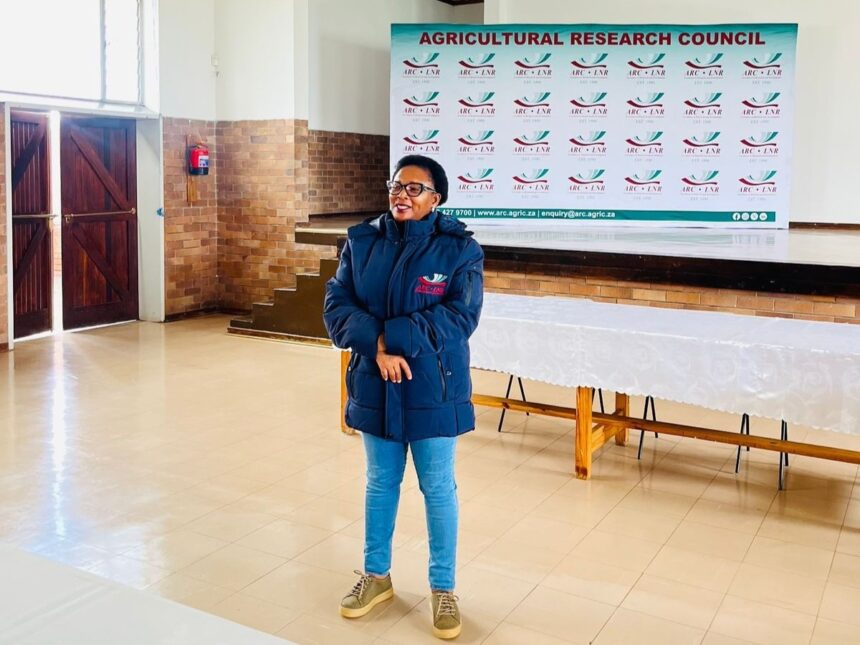
Access to finance remains one of the most pressing challenges facing farmers in South Africa, particularly those working in the grain sector. Many producers struggle to secure funding that aligns with the realities of seasonal production, fluctuating markets, and rising input costs. Against this backdrop, initiatives that connect farmers with financial knowledge and institutional support are critical for long term sustainability. The recent Phahama Grain Phakama Finance and Funding workshop, hosted at the Agricultural Research Council in Bethlehem, created a focused platform to address these issues. By bringing together farmers, researchers, and industry stakeholders, the workshop aimed to equip participants with practical tools to improve financial access and decision making.
The workshop was attended by the ARC Small Grain team, Grain SA, and a range of other stakeholders committed to strengthening the agricultural sector. The event focused on giving farmers direct exposure to funding opportunities, financial products, and support systems that are often difficult to navigate. Many farmers benefit from understanding how to structure loan applications, manage cash flow, and align production plans with available finance. These insights are especially important in grain farming, where input costs such as seed, fertilizer, and fuel can significantly impact profitability. By engaging directly with experts, farmers gained clarity on how to position their operations for financial support.
A key highlight of the session was the contribution from Dr. Rorisang Patose, who shared valuable insights into the work being carried out at the ARC campus. The presentation focused on how research and innovation are being used to support farmers through improved crop varieties, better farming practices, and enhanced productivity. Farmers were able to see how scientific advancements can directly impact their yields and reduce risks associated with climate variability and disease pressure. This connection between research and practical farming outcomes is essential for building resilience in the grain sector. It also reinforced the role of institutions like the ARC in bridging the gap between knowledge and on farm application.
The workshop also emphasized collaboration as a key driver of progress in agriculture. By creating a space where farmers, financial institutions, and researchers can interact, the event encouraged the sharing of ideas and experiences. Farmers were able to ask questions, discuss challenges, and explore solutions that are relevant to their specific contexts. This type of engagement helps build confidence and trust, which are essential when navigating financial systems. It also supports the development of networks that can provide ongoing support beyond the workshop itself.
Events like the Phahama Grain Phakama workshop highlight the importance of combining financial education with technical support to strengthen the agricultural sector. Farmers who understand both the financial and production sides of their operations are better positioned to grow and adapt in a competitive environment. The involvement of key stakeholders ensures that farmers are not left to navigate these challenges alone. As more initiatives of this nature are implemented, they have the potential to unlock growth, improve productivity, and enhance food security across South Africa. By investing in knowledge, collaboration, and access to finance, the future of grain farming becomes more sustainable and inclusive.
Join 'Farmers Mag' WhatsApp Channel
Get the latest Farming news and tips delivered straight to your WhatsApp
CLICK HERE TO JOIN