

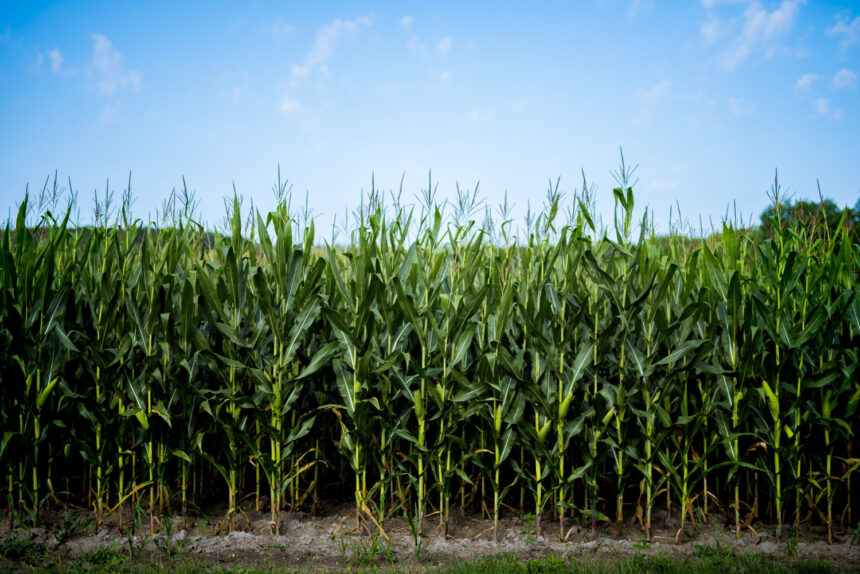
The Department of Agriculture has issued an important update regarding the distribution of Goss’s Wilt (Clavibacter michiganensis subsp. nebraskensis) in South Africa, alerting farmers, growers, and the wider community to its increasing presence across multiple provinces. First detected in 2024 in Free State, North West, Gauteng, and Eastern Cape, follow-up surveys in 2025 confirmed the disease in Limpopo, Mpumalanga, Northern Cape, and Western Cape. KwaZulu-Natal remains free of the disease, making containment and prevention in that province a priority. Goss’s Wilt poses a serious threat to maize production, the country’s staple and economically important crop, and requires immediate attention to limit further spread. The announcement underscores the importance of coordinated surveillance, biosecurity, and adherence to regulatory measures for protecting South Africa’s maize industry.
Goss’s Wilt spreads primarily through contact between maize leaves within a field, but long-distance transmission is possible through contaminated seed and farming equipment. Although seed-borne spread is limited, equipment such as harvesters, planters, and tillage implements can carry infected plant debris to new fields, making hygiene and equipment management critical. The disease is highly persistent, and globally there are no chemical treatments that effectively control it. As such, management relies heavily on cultural practices, including using resistant maize hybrids, practicing crop rotation with non-host crops like soybeans or small grains, and avoiding mechanical injury to plants. Farmers are also urged to thoroughly clean all equipment after working in infected fields to prevent cross-contamination.
The Department of Agriculture has partnered with research institutions and industry stakeholders to strengthen disease management efforts. These initiatives include building a culture collection of South African Clavibacter strains, improving diagnostic capacity, and identifying maize cultivars tolerant or resistant to the pathogen. Knowledge exchange between farmers, researchers, and policymakers is being actively promoted to ensure practical and region-specific guidelines are implemented. Regulatory measures under the Agricultural Pests Act and its 2025 amendments restrict the movement of host material and equipment from infected areas to pest-free regions, which is a critical strategy in preventing the disease from spreading further. Awareness campaigns are emphasizing that biosecurity begins on the farm and requires active participation from all members of the agricultural community.
Farmers are reminded that international travel and trade can introduce additional risks, particularly the illegal importation of agricultural products or used farming equipment. Any breach of biosecurity protocols can result in the rapid introduction of new pests or diseases that are costly and difficult to control. Effective management of Goss’s Wilt therefore depends not only on local measures but also on compliance with national and international biosecurity regulations. By implementing strict hygiene practices, limiting movement of potentially contaminated materials, and staying informed through official guidelines, farmers can play a central role in protecting their crops and the broader maize industry.
The spread of Goss’s Wilt in South Africa highlights the need for vigilance, preparation, and collaboration across the agricultural sector. With no chemical controls available, prevention and containment through integrated cultural practices are the most reliable methods to safeguard maize production. Farmers, industry stakeholders, and the general public all share responsibility in maintaining biosecurity and limiting the spread of the disease. By following regulatory measures, employing resistant maize varieties, and maintaining rigorous equipment hygiene, South Africa can mitigate the impact of Goss’s Wilt and protect the livelihoods of maize producers. Comprehensive guidelines and advisory notes on managing the disease are available on the Department of Agriculture’s website, providing accessible resources to support farmers in implementing effective strategies.
Join 'Farmers Mag' WhatsApp Channel
Get the latest Farming news and tips delivered straight to your WhatsApp
CLICK HERE TO JOIN