The Eastern Cape Department of Agriculture is strengthening efforts to protect livestock and prevent the spread of Foot-and-Mouth Disease (FMD) through a mass vaccination campaign targeting cattle across the province. The initiative forms part of ongoing measures to safeguard animal health, support farmers and protect the agricultural sector from the devastating effects of livestock diseases. Foot-and-Mouth Disease is a highly contagious viral infection that can spread rapidly among susceptible animals, making early prevention and effective disease control essential. Through coordinated vaccination efforts, the Department aims to reduce the risk of infection and strengthen protection within cattle herds. The campaign also highlights the importance of cooperation between farmers, animal health officials and agricultural authorities in preventing the spread of the disease.
Foot-and-Mouth Disease affects cloven-hoofed animals, including cattle, sheep, goats and pigs. The disease is caused by a virus and can spread through direct contact with infected animals, contaminated materials and other routes of transmission. Infected animals may develop symptoms such as fever, excessive salivation, blisters in the mouth and around the feet, lameness and reduced appetite. These symptoms can affect animal welfare, productivity and the overall performance of livestock operations. Although the disease does not usually cause high mortality among adult animals, its impact on farming activities and agricultural trade can be severe.
FMD is a state-controlled animal disease, meaning that its prevention, monitoring and management require coordinated action under veterinary regulations. The disease can create significant challenges for livestock farmers because outbreaks may lead to movement restrictions, additional biosecurity requirements and disruptions to the marketing of animals and animal products. These restrictions are intended to limit transmission and prevent the disease from spreading to unaffected areas. For farmers who depend on livestock sales for their income, an outbreak can have serious financial consequences. Preventing the introduction and spread of FMD is therefore essential to protecting farming businesses, rural communities and the wider agricultural economy.
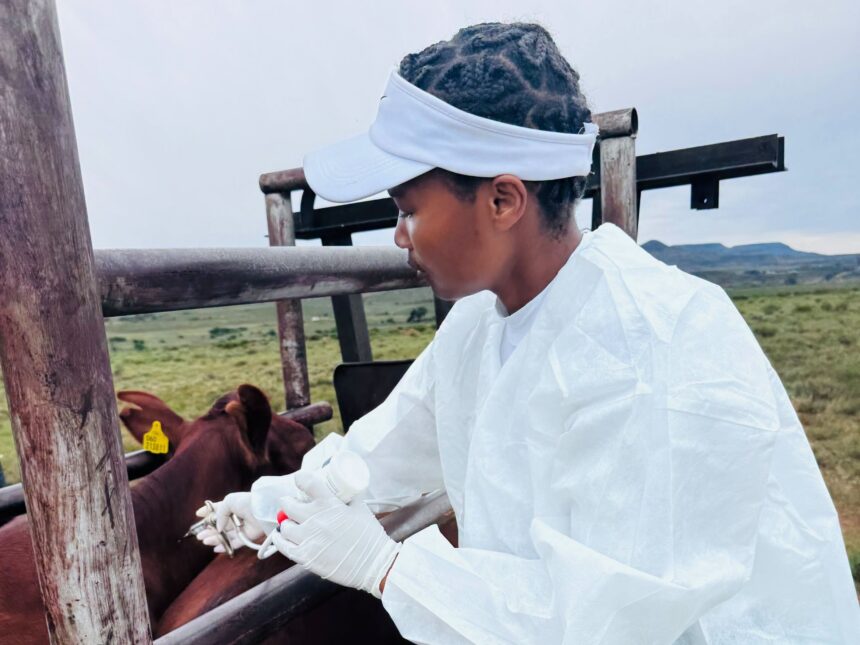
As part of the latest vaccination campaign, cattle received the Bioafogen vaccine to strengthen protection against Foot-and-Mouth Disease. The vaccine was administered at a dosage of 2 ml intramuscularly into the neck muscle. Correct administration is important to ensure that the vaccination programme follows the prescribed procedure. Animal health officials play an important role in carrying out vaccinations and supporting farmers throughout the process. Farmers should follow the guidance provided by veterinary professionals regarding vaccination schedules, handling procedures and any additional disease prevention measures.
Mass vaccination is an important component of FMD prevention because it aims to build herd immunity among susceptible cattle populations. When vaccination programmes reach a significant proportion of the targeted livestock population, they can help reduce the risk of infection and limit the potential spread of the disease. However, vaccination must form part of a broader disease control strategy. Regular animal health monitoring, responsible livestock movement and effective farm biosecurity remain essential. Combining these measures helps strengthen protection and reduces opportunities for the virus to spread between farms and communities.
The Eastern Cape Department of Agriculture continues to encourage farmers to work closely with animal health officials and participate in organised vaccination programmes. Farmers should make their cattle available for scheduled vaccinations and communicate with veterinary teams about any concerns regarding their animals. They should also monitor livestock regularly for signs of illness, particularly fever, mouth lesions, excessive salivation and lameness. Any suspected case of Foot-and-Mouth Disease should be reported promptly to the relevant animal health authorities. Early reporting allows veterinary officials to investigate potential infections and implement appropriate control measures.
Farm biosecurity is equally important in preventing the introduction and spread of FMD. Farmers should exercise caution when bringing new animals onto their properties and follow veterinary guidance on appropriate isolation and monitoring procedures. Unnecessary movement of livestock between farms should be avoided, especially in areas where disease concerns have been identified. Equipment, vehicles and other materials that come into contact with livestock should also be managed carefully to reduce the risk of spreading infection. Visitors and workers should follow appropriate hygiene and farm access procedures. These practical steps, together with vaccination, can contribute to stronger disease prevention and improved livestock protection.
The vaccination campaign also demonstrates the importance of collaboration between government departments and farming communities. Animal health officials provide technical guidance, administer vaccines and assist with disease surveillance, while farmers have a responsibility to follow recommended control measures on their properties. This partnership is particularly important in rural communities where livestock farming supports household incomes, employment and local economic activity. Consistent communication between farmers and veterinary authorities helps ensure that disease prevention programmes reach their intended targets. It also allows potential health concerns to be identified and addressed before they develop into larger problems.
Protecting cattle against Foot-and-Mouth Disease is not only about maintaining healthy herds. It is also about protecting the livelihoods of livestock farmers and supporting the long-term sustainability of agriculture in the Eastern Cape. Healthy livestock contribute to food production, household income and economic opportunities across the agricultural value chain. Disease outbreaks can undermine these benefits by creating uncertainty, increasing management costs and restricting access to markets. Strengthening vaccination programmes and improving awareness of animal health risks are therefore important investments in the future of the province’s livestock sector.
The Eastern Cape Department of Agriculture’s mass vaccination efforts reflect its continued commitment to preventing Foot-and-Mouth Disease and strengthening livestock health. By administering the Bioafogen vaccine, working with animal health officials and encouraging farmers to follow recommended disease control measures, the Department aims to reduce the risk of infection and limit the spread of the virus. However, successful prevention depends on sustained cooperation, responsible livestock management and continued vigilance from everyone involved in the agricultural sector. Farmers are encouraged to remain actively involved in vaccination programmes and report suspected cases without delay. Protecting livestock today means safeguarding farmers’ livelihoods, strengthening agricultural production and securing a more resilient future for the Eastern Cape’s farming communities.
Join 'Farmers Mag' WhatsApp Channel
Get the latest Farming news and tips delivered straight to your WhatsApp
CLICK HERE TO JOIN